

The platform Twitch has become a vibrant hub for players, streamers, and fans alike, offering a space where live interactions and exciting gameplay come together. For many streamers, capturing and preserving these live moments is just as crucial as the stream itself. No matter if you want to document your growth as a content creator, save notable clips for your fans, or simply keep a record of your streams for personal viewing, knowing how to efficiently record Twitch streams is crucial.
In this guide, we will discuss various methods to record, download, and archive Twitch streams, including VODs, clips, and highlights across multiple platforms and systems. We will cover everything from the best recording software to use on either Mac and Windows, to automated download options that make saving your most-loved Twitch content a breeze. With the best tools and strategies, you can ensure that your Twitch experience is preserved for you and your audience to enjoy for many years.
Ways to Save Twitch.tv Streams
Recording Twitch streams can be achieved through several efficient ways, all tailoring to varied requirements and equipment configurations. One of the most popular ways is to use specialized desktop recording software. This type of software allows you to capture the footage and audio from your display, providing excellent captures. Programs such as Open Broadcaster Software Studio and Streamlabs OBS are widely used for their extensive capabilities, including adjustable settings for video quality and data rate, making them suitable for high-quality Twitch.tv captures.
For those who prefer mobile devices, there are various applications available for both Android and Android that allow Twitch.tv stream capturing. These smartphone Twitch recording apps enable users to record play directly from their smartphones or devices, providing easy ways for on-the-go media creation. With the growth of mobile games, this method offers a practical way for streamers to record their sessions without needing extensive setups.
Another method includes web-based recording tools, which can be particularly useful for users who want a fast and simple way without installing software. These applications run straight in the web browser and offer basic capture functionalities perfect for recording clips or snippets. However, users should make sure such applications support the necessary sound and video quality settings for best Twitch stream preservation. Each approach has its pros and drawbacks, so it is important to consider your specific requirements and setup when choosing the most suitable way to save Twitch.tv streams.
Retrieving and Archiving VODs
When it comes to preserving your Twitch streams, capturing and storing VODs is necessary for maintaining a comprehensive library of your streams. Twitch on its own saves your broadcasts for a fixed time, but if you wish to keep them for longer, you'll need to utilize specific tools to acquire those videos. StreamRecorder pro version can find multiple software choices and web extensions that allow you to download Twitch VODs easily. Look for tools that support high audio and video fidelity to ensure your recordings keep their original clarity.
To acquire VODs on Windows or Mac, consider using specialized Twitch video recorders or desktop recording software that enables for efficient capture of live content. Some programs include bulk download capabilities, enabling you to save many VODs in a single operation. Be sure to verify the resolution and bitrate settings to obtain the best results for both uploads and offline usage.
Once you've downloaded your VODs, structuring and administrating them properly is key for long-term preservation. Create a systematic directory structure that allows it easy to access videos, whether by timestamp, game category, or content classification. Implementing an effective preservation strategy will not only support you access quality videos for editing but also secure your streams are secured for upcoming use, ultimately supporting your channel growth strategies and long-term archiving efforts.
Saving and Managing Clips
Saving and administering highlights from the streaming platform can greatly enhance your creative strategy. To save clips, begin by navigating to the specific stream where you want to create a clip. Use the highlight feature on the platform, which allows you to record a part of a stream that's up to 60 seconds in duration. Once you have made your clip, it is accessible in your Twitch dashboard, where you can conveniently organize it along with your other highlights. This function makes it simple to showcase key moments without needing advanced editing software.
Once you have your highlights preserved, it’s important to administer them effectively to ensure easy access and order. Consider setting up a standard labeling convention for your highlights based on their content, date, or relevant tags. This approach makes easier finding specific clips later on and helps in your archival efforts. Additionally, you can group highlights thematically or by occasion, making them more manageable. This system will conserve you time in the long run and keep your library tidy.
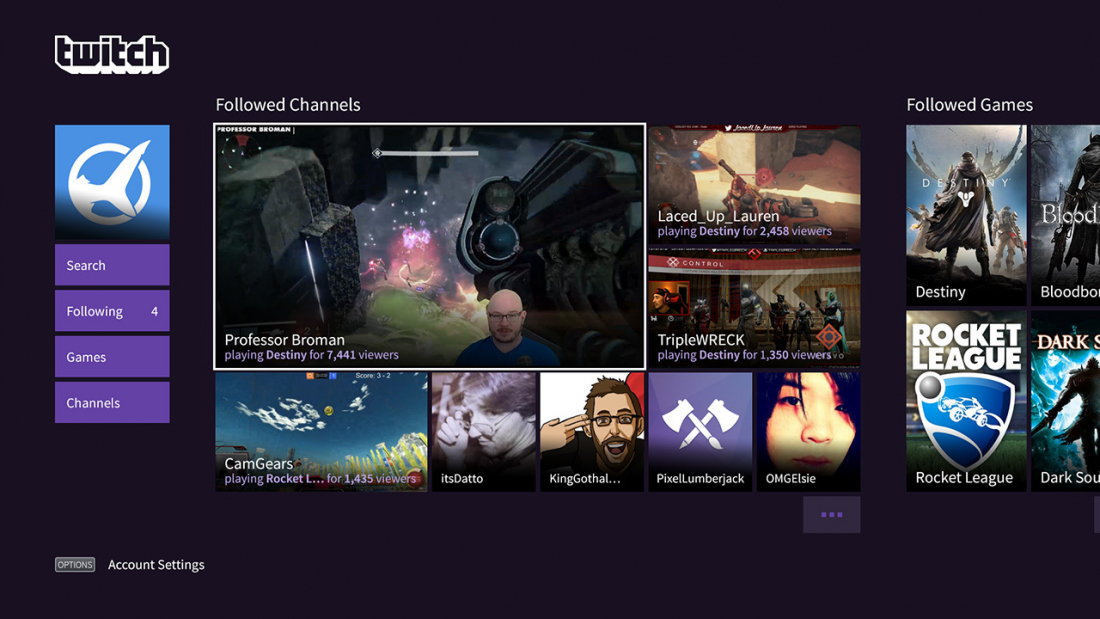
For those looking to streamline the process, external tools can help with mass downloading and organization of the platform clips. Many of these tools allow you to set settings for resolution and style, ensuring that you keep high quality. This way, you can regularly back up your highlights and relax knowing that your material is secured and prepared for upcoming modification or distribution. With the right tools and strategies, managing your Twitch highlights becomes a smooth part of your content creation workflow.
Standard and Format Considerations
When capturing Twitch streams, focusing on audio and video quality is vital for an immersive viewing experience. Streamers should take into account the resolution and bitrate of their captures. Higher resolutions, such as 1440p, provide clear visuals but demand more storage space and computing power. Matching the bitrate to the type of content ensures a clear picture without excessive buffering, so it's important to strike a balance based on your setup and purpose.
Video format options also play a significant role in ensuring compatibility on platforms. Well-known formats like MP4, AVI, and MOV offer multiple advantages in terms of quality and file size. MP4 is widely recommended due to its compatibility with nearly all devices and platforms, making it ideal for sharing recordings. Additionally, keeping the file format in mind is important for archiving purposes, especially if you plan to edit recorded streams later.
For maximum long-term storage and organization, it's wise to develop a structured approach to manage your Twitch recordings. Utilize tools that enable bulk download options to streamline the process of saving VODs, clips, and highlights. Consistently reviewing your saved content and organizing it based on categories or themes can assist in maintaining a tidy archive that is easy to navigate. This preparation not just makes accessing content simple for future use but also enhances the potential for channel growth and engagement with your audience.
Lawful and Moral Factors
When streaming Twitch broadcasts, it is important to grasp the legal implications involved. Twitch's user agreement typically permit users to stream their own broadcasts, but directly recording content from another user's stream without permission could breach on copyright laws. It is recommended for content creators to become knowledgeable with the platform's policies and any associated legal frameworks to prevent potential conflicts. Always ask for consent from broadcasters if you plan to utilize their content in any form.
In addition to copyright considerations, ethical factors play a significant role in content recording. Valuing the privacy of other streamers and their audiences is critical. While capturing clips and highlights can improve the value of content, creators should ensure that they are not mischaracterizing the source content or removing it from its context. Emphasizing positive engagements and mutual respect within the community can help foster a healthy environment among broadcasters and viewers alike.
Finally, transparency is essential to upholding a good connection with both your audience and fellow streamers. If you publish recorded content, provide suitable credit and background. This not only adheres to fair use guidelines but also backs the content creators, fostering a cooperative and respectful streaming community. By being aware of legal and moral aspects, you can successfully enhance your Twitch content without crossing boundaries.